Warning signs of kidney failure: A clinical guide to symptoms and testing
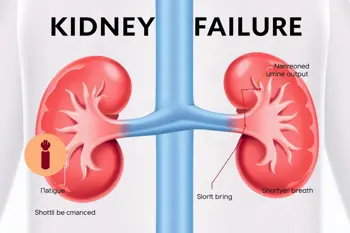
Warning signs of kidney failure include swelling, changes in urination, persistent fatigue, nausea, vomiting, and difficulty concentrating. However, kidney disease may cause few or no noticeable symptoms until substantial damage has occurred, so symptoms alone cannot establish a diagnosis. Kidney failure generally means that kidney function has fallen severely, while acute kidney injury can develop quickly and chronic kidney disease can progress over time. 12
Changes in urination
A noticeable change in urination is one of the most important warning signs to document. Kidney problems may be associated with urinating much more or less often, producing less urine, waking frequently at night, or experiencing painful or difficult urination. Foamy or bubbly urine, particularly when it occurs repeatedly, may indicate protein in the urine. Blood in the urine can also signal kidney or urinary-tract problems and requires professional assessment. 36
Urine changes are not specific to kidney failure. Dehydration, infections, medicines, urinary blockage, and other conditions may alter urine volume or appearance. A single observation is less informative than a persistent or worsening pattern, especially when it occurs with swelling, weakness, or a history of diabetes or high blood pressure. Clinicians commonly assess kidney health with blood and urine testing rather than relying on appearance or symptoms alone. 23
Swelling and fluid buildup
Swelling, known medically as edema, can develop when impaired kidneys do not remove extra water and salt effectively. It may appear in the feet, ankles, legs, hands, or around the eyes. Puffy eyes can be particularly noticeable after waking, while ankle and foot swelling may become more apparent later in the day. Increasing swelling is more concerning when accompanied by reduced urination or rapid changes in breathing. 13
Fluid accumulation can affect more than the limbs. Excess fluid may contribute to shortness of breath, including breathlessness related to fluid in the lungs. Breathing difficulty, chest discomfort, severe weakness, confusion, or very little urine are symptoms requiring urgent medical evaluation because they can accompany serious kidney impairment or another acute medical problem. 46
Fatigue, weakness, and mental changes
Persistent tiredness, weakness, low energy, and difficulty concentrating are frequently reported in advanced kidney disease. These symptoms may reflect the buildup of waste products in the blood or anemia associated with reduced kidney function. Brain fog, reduced alertness, and confusion are more serious changes, particularly when they appear alongside nausea, swelling, or a marked reduction in urine output. 16
Fatigue is not a reliable standalone indicator of kidney failure because it can occur with many unrelated conditions. Its significance increases when it is persistent, unexplained, or accompanied by changes in urination, swelling, appetite, sleep, or blood pressure. A clinical evaluation can distinguish possible kidney-related symptoms from anemia, medication effects, dehydration, infection, or other causes. 35
Digestive and skin symptoms
As kidney function declines, waste products can accumulate and produce nausea, vomiting, poor appetite, or an unusual metallic taste in the mouth. These symptoms may reduce food intake and contribute to weakness. Persistent digestive symptoms are not proof of uremia, but they warrant medical attention when combined with reduced urine output, swelling, fatigue, or known chronic kidney disease. 14
Advanced kidney impairment may also be associated with dry, itchy skin and muscle cramps. Changes in mineral and electrolyte balance are among the factors linked with these symptoms. Sleep disturbance, insomnia, and restless legs are also reported in people with kidney disease. Because itching, cramps, and sleep problems have many possible explanations, testing is needed to determine whether impaired kidney function is involved. 35
Risk factors and silent progression
Diabetes and high blood pressure are identified as the most common causes of kidney failure. Other reported risk factors include heart disease or heart failure, obesity, increasing age, family history of kidney disease, certain autoimmune diseases, and structural or genetic kidney conditions. People with these risks may develop kidney damage without obvious symptoms, making routine assessment important even when urination and energy seem normal. 13
Chronic kidney disease is often described as a silent condition because early stages may produce no symptoms or only mild changes. The National Kidney Foundation reports that many people with kidney disease do not know they have it, while approximately 33 percent of adults in the United States are at risk. The organization identifies estimated glomerular filtration rate, or eGFR, and urine albumin-to-creatinine ratio, or uACR, as two simple tests used to check kidney health. 3
How kidney failure is evaluated
Evaluation typically combines medical history, physical examination, blood tests, urine tests, and, when appropriate, imaging. Blood testing can measure creatinine and help calculate eGFR, which reflects filtration capacity. Urine testing can identify protein or albumin leakage and blood. Imaging and clinical history may help investigate blockage, structural disease, or an acute change. These assessments also help determine whether the problem is sudden or part of long-term chronic kidney disease. 23
NIDDK defines kidney failure as kidney function below 15 percent of normal. At that level, waste products and extra water may build up and cause symptoms. Treatment options for established kidney failure include dialysis or kidney transplantation, while some people receive supportive care without those treatments. The appropriate plan depends on the cause, severity, overall health, and discussions with a healthcare team. 2
Sources
- Cleveland Clinic, Kidney Failure (ESRD): Causes, Symptoms & Treatment
- National Institute of Diabetes and Digestive and Kidney Diseases, What is Kidney Failure?
- National Kidney Foundation, Signs and Symptoms of Kidney Disease
- Mayo Clinic, Chronic kidney disease: Symptoms and causes
- National Institute of Diabetes and Digestive and Kidney Diseases, Chronic Kidney Disease Symptoms and Causes
- Acibadem Hospitals Group, Symptoms of Kidney Failure: Causes and Care
Authored by MistyMountainView team