Affordable single-tooth dental implants near me: A Clinical Overview of Treatment Options and Cost Factors
Understanding Single-Tooth Dental Implant Components
A single-tooth dental implant is a sophisticated medical procedure designed to replace a missing tooth root with a titanium post, which then serves as an anchor for a custom prosthetic crown 1. The procedure typically involves several distinct stages: a thorough clinical examination, diagnostic imaging such as CT scans, the surgical placement of the implant, an osseointegration healing period, and the final delivery of the abutment and crown 2. Because each case is unique, the final treatment plan often requires additional clinical steps, including potential tooth extractions, bone grafting to ensure structural support, or sinus lift procedures 3. Patients are encouraged to request itemized estimates that specifically account for these surgical requirements to avoid unexpected costs during the recovery process 4.
Market Analysis of Dental Implant Pricing
In the United States, the total cost for an implant-supported replacement tooth typically ranges from $3,000 to $6,000, though these figures vary based on geography, provider expertise, and the specific materials used 5. Research indicates that some clinics publish comprehensive package pricing to ensure transparency, with some providers offering all-inclusive fees ranging from $4,445 to $5,999 depending on the complexity of the surgery 6. It is essential for patients to understand that advertised prices may sometimes exclude variables such as bone grafting, sedation, or specialized diagnostic imaging 7. Comparing total out-of-pocket costs rather than individual line items or monthly payment amounts provides a clearer picture of the financial commitment required for the entire procedure 8.
Clinical Considerations for Implant Eligibility
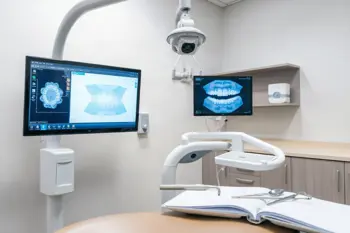
Before proceeding with an implant, dental professionals conduct a rigorous assessment of a patient's oral health, specifically focusing on jawbone density, gum health, and overall medical history 9. Factors such as long-term tooth loss can lead to significant bone resorption, which often necessitates grafting procedures to ensure the implant can integrate correctly with the remaining bone structure 10. Advanced digital planning, including the use of 3D surgical guides, has improved precision in placement, often resulting in less post-operative swelling and faster recovery times for patients compared to traditional methods 11. A clinician must determine the suitability of the patient's biological environment to ensure the long-term success of the dental restoration 12.
Alternative Pathways for Dental Care
For patients facing significant financial barriers, several alternative avenues exist for accessing dental care. Dental schools frequently operate supervised student clinics where patients can receive high-quality care at a reduced cost, though these treatments may require more time and adhere to specific acceptance criteria 13. Federally funded community health centers also offer dental services, often using a sliding-fee scale based on the patient's household income and family size 14. Additionally, the Dental Lifeline Network provides donated services to individuals who meet specific criteria, including those who are medically fragile, elderly, or living with permanent disabilities, subject to regional provider availability 15.
Navigating Insurance and Financing
Dental insurance coverage for implants remains complex, as many policies contain annual maximums, waiting periods, or specific exclusions for restorative procedures 16. Patients should verify whether their specific plan covers the surgical placement, the abutment, and the final crown separately, as these are often coded as distinct services 17. When utilizing financing programs such as CareCredit, it is critical for consumers to review the total repayment amount, including interest rates and potential membership fees, rather than focusing solely on the convenience of a monthly payment plan 18. Informed decision-making regarding these financial tools helps in managing the total long-term cost of oral rehabilitation 19.
The Risks of Delaying Treatment
Delaying the replacement of a missing tooth can lead to a cascade of oral health issues that complicate future treatment. Without a natural root to stimulate the jaw, the bone can lose density and volume rapidly within the first year, potentially requiring more involved grafting before an implant can ever be placed 20. Furthermore, neighboring teeth may drift into the vacant space, which can cause significant bite misalignment and increase the risk of decay or periodontal issues in otherwise healthy teeth 21. Seeking a professional consultation early allows for a more accurate assessment of the patient’s condition and can result in a more straightforward and predictable restorative outcome 22.
Sources
- National Institute of Dental and Craniofacial Research
- Mayo Clinic
- Forbes Health
- GoodRx
- American Dental Education Association
- Health Resources and Services Administration
- Dental Lifeline Network
- American Dental Association
- Cleveland Clinic
- CareCredit
- Federal Trade Commission
Authored by MistyMountainView team