7-day New England cruise with fall foliage and seaside towns: An Analytical Overview of Autumn Maritime Travel
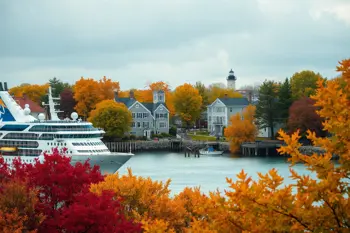
A seven-day cruise through New England and Atlantic Canada is a specialized maritime itinerary designed to leverage the region's historical port cities and the deciduous forest transformation known as fall foliage 1. These voyages typically operate between mid-September and late October, a window specifically selected to align with the southward progression of autumn colors from Quebec through the Maritimes and down into Maine and Massachusetts 2. Travelers often select these routes for their cultural density, as they link colonial-era history with the natural spectacles of the North Atlantic coastline 3.
Regional Itinerary Patterns and Homeports
Common itineraries for this region utilize major coastal hubs as primary embarkation points. Boston, Massachusetts, and New York City are the most frequent departure locations, providing access to Northern routes that traverse the Gulf of Maine and the Bay of Fundy 4. A typical seven-night sailing might include stops in Portland and Bar Harbor, Maine, before continuing into Canadian waters to visit ports such as Saint John, New Brunswick, and Halifax, Nova Scotia 5. The selection of these specific stops allows vessels to navigate the maritime cultural arc that spans English, French, and Indigenous histories 6.
| Port of Call | Primary Regional Highlight |
|---|---|
| Boston, MA | Freedom Trail and Colonial History |
| Portland, ME | Waterfront Districts and Lighthouse Tours |
| Bar Harbor, ME | Coastal Ruggedness and Acadia Region |
| Saint John, NB | Bay of Fundy Tides |
| Halifax, NS | Maritime Heritage and Cultural History |
Strategic Timing for Peak Foliage
The success of a foliage-focused itinerary is heavily dependent on precise seasonal scheduling. The peak display of maple and birch leaves varies by latitude and annual climate patterns, though industry data suggests mid-October is the period of highest probability for witnessing vibrant color changes in coastal Maine and Massachusetts 7. Because this timing represents a specific peak in natural beauty, demand for these specific departures remains consistently high among travelers 8. Prospective passengers often secure their arrangements twelve to eighteen months in advance to ensure availability on preferred sailings 9.
Operational Dynamics and Environmental Conditions
Navigating the New England coast during autumn requires an understanding of changing maritime conditions. Ocean temperatures exhibit significant cooling as the season progresses toward late October, often impacting the requirements for shore-side activities 10. The environmental shift necessitates that passengers prepare for variable weather, typically requiring layered clothing to accommodate the contrast between comfortable cabin environments and brisk, exposed coastal port days 11. Furthermore, the navigation of smaller inland waterways or specific harbors like Eastport requires careful logistical planning by cruise operators to account for dramatic tidal shifts, such as those seen in the Bay of Fundy, where water levels can fluctuate by as much as 53 feet 12.
Shore Excursion and Cultural Engagement
Port days during these seven-day sailings are characterized by a focus on heritage, natural exploration, and regional culinary traditions. Common shore-side activities include guided walking tours of historic districts, visits to Gilded-Age mansions in locales like Newport, and excursions to local lighthouses or coastal parks 13. In regions like Maine and the Canadian Maritimes, culinary-focused excursions, such as traditional lobster bakes or tours exploring local maritime agriculture, are prominent features of the travel experience 14. These activities are designed to immerse passengers in the unique identity of the North Atlantic seaboard rather than traditional beach-oriented leisure 15.
Fleet Characteristics and Vessel Selection
The ships serving this region range from large-capacity vessels to smaller, specialized expedition-style ships capable of entering shallower or more intimate ports of call 16. Larger vessels, such as the Norwegian Breakaway, offer a variety of onboard amenities including diverse dining options and entertainment programs that provide a contrast to the rustic, historic nature of the ports visited 17. Conversely, smaller vessels provide different access points, navigating narrower waterways that may offer more frequent or closer views of the foliage along the riverbanks of the Saint John or Saint Lawrence rivers 18.
Regulatory Oversight and Travel Planning
Travelers exploring these itineraries are advised to consider the regulatory and logistical frameworks involved in crossing between the United States and Canada. Documentation requirements are a critical component of trip preparation, as these voyages involve international maritime borders 19. Furthermore, prospective travelers should verify the specifics of their selected cruise line’s cancellation and refund policies, as high demand for peak autumn dates often correlates with stringent booking terms 20. Reviewing comprehensive cruise guides and passenger feedback for specific ship-port combinations can offer additional transparency regarding accessibility and the expected pace of travel for different age groups 21.
Sources
- Norwegian Cruise Line: Canada & New England Itineraries
- Condé Nast Traveler: Best Time for New England Fall Foliage
- Cruise Planner Pro: Cultural Analysis of North Atlantic Sailings
- Cruises.To: Norwegian Breakaway Port Guides
- Mayflower Cruises and Tours: New England and Canada Autumn Itinerary Data
- Virgin Voyages: Port Lineup and Maritime Cultural Overview
- Senior Traveling Guide: Fall Foliage & Canada Voyage Statistics
- USA Today Travel: New England Shore Excursion Trends
- Small Ship Adventure Cruises: Regional Harbor Navigation
- Princess Cruises: Atlantic Coastal Scenery Destinations
- Holland America Line: Historical and Natural Beauty Coastal Itineraries
- ROL Cruise: Navigation Data for Bay of Fundy Ports
- Cunard: Transatlantic and Coastal Autumn Itineraries
- Seabourn: Small Ship Access to Intimate New England Ports
- Cruise Critic: New England and Canada Cruise Guide
- Viking Cruises: Inland-Focused New England Itineraries
- Royal Caribbean: Maritime Heritage and Seasonal Sailing Patterns
- Global Journeys: Virgin Voyages Coastal Northeast Data
- US Department of Transportation/Maritime Administration: Border Logistics
- Travel Industry Standards: Booking Terms and Conditions
- North American Cruise Industry Association: Accessibility and Passenger Planning
Authored by MistyMountainView team