Understanding pulmonary rehabilitation programs: An Analytical Review of Clinical Protocols and Outcomes
Overview of Pulmonary Rehabilitation Protocols
Pulmonary rehabilitation is a comprehensive, medically supervised intervention designed to improve the physical and emotional well-being of individuals living with chronic respiratory disorders 1. By integrating supervised exercise training, structured education, and behavioral support, these programs aim to enhance functional capacity and overall quality of life 2. Rather than offering a cure, the primary clinical objective is to manage symptoms, specifically by reducing shortness of breath and increasing exercise tolerance, which helps patients navigate daily life with greater independence 3, 4.
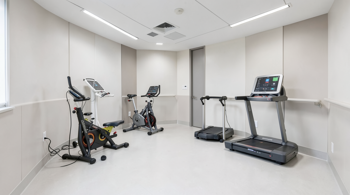
The standard model of care typically spans 6 to 12 weeks, with supervised sessions occurring two to three times per week in clinical or hospital settings 5, 6. Beyond the core exercise component, programs prioritize patient education regarding disease management, nutrition, and energy conservation techniques 7. These elements are foundational to a multidisciplinary strategy that addresses the complex needs of patients suffering from conditions such as chronic obstructive pulmonary disease (COPD), interstitial lung disease, and pulmonary hypertension 8, 9.
Clinical Benefits and Research Outcomes
Clinical evidence consistently demonstrates that participation in pulmonary rehabilitation is associated with improved patient outcomes, including a lower risk of hospitalization and reduced mortality rates following acute exacerbations 10, 11. When initiated within three months of hospital discharge, these programs have been shown to significantly reduce the frequency of rehospitalizations and improve one-year survival metrics 12, 13. Such data underscores the program's role as a critical, evidence-based intervention in the continuum of care for chronic lung disease 14.
Patients who complete these structured programs often report marked improvements in physical stamina and emotional stability 15, 16. By learning specific breathing techniques, participants can improve gas exchange efficiency, which subsequently decreases the sensation of dyspnea during physical activity 17. Furthermore, the psychosocial support provided-which often includes counseling and peer-led group interaction-is essential in helping patients manage the secondary burdens of chronic respiratory illness, such as anxiety and depression 18.
The Multidisciplinary Care Team
The success of a pulmonary rehabilitation program relies on the collaborative efforts of a diverse team of healthcare professionals 19. This team typically includes pulmonologists, respiratory therapists, physical therapists, occupational therapists, registered nurses, and dietitians 20, 21. Each specialist contributes a specific layer of care, ranging from diagnostic assessment and exercise physiology to nutritional guidance and behavioral health intervention 22. This team-based approach ensures that the therapy is tailored to the individual's specific needs, current fitness level, and the severity of their lung disease 23.
Upon entry into a program, patients undergo a rigorous assessment to determine their current capacity and limitations, which forms the basis for their personalized treatment plan 24, 25. This baseline evaluation is critical, as it allows the multidisciplinary team to track progress and adjust therapies over the course of the program 26. Regular outcome assessments throughout the duration of the program allow clinicians to monitor adherence and make data-driven decisions that ensure the patient is meeting their functional and quality-of-life goals 27.
Evolution of Delivery Models
While the hospital-based outpatient clinic remains the most traditional venue for pulmonary rehabilitation, the delivery landscape is diversifying to address barriers to access 28. Alternative strategies such as telerehabilitation, internet-based modules, and home-based programs are gaining attention as viable ways to deliver essential services to patients who may live in underserved areas or face mobility constraints 29, 30. Research suggests that virtually delivered rehabilitation can yield improvements in functional capacity and adherence comparable to traditional settings, provided that patient monitoring and quality assurance protocols are strictly maintained 31.
Despite the demonstrated benefits, pulmonary rehabilitation remains underutilized in many regions, with data indicating that a relatively small percentage of eligible patients-such as Medicare beneficiaries hospitalized for COPD-actually enroll in these programs 32, 33. Efforts are currently underway to integrate these services more effectively into standard discharge pathways, mirroring the successful integration models seen in cardiac rehabilitation, to help bridge the current gap in care availability 34, 35.
Eligibility and Insurance Considerations
Eligibility for pulmonary rehabilitation is typically determined based on the diagnosis of a chronic respiratory condition and the presence of symptoms such as breathlessness that limit daily activity 36, 37. Common qualifying conditions include moderate-to-severe COPD, asthma, bronchiectasis, and pulmonary fibrosis, as well as pre- and post-surgical care for lung transplants or lung volume reduction 38, 39. A formal referral from a physician or specialist is generally required to initiate the enrollment process, although some health systems offer self-referral pathways depending on regional regulations 40.
Regarding the financial landscape, pulmonary rehabilitation is recognized as a covered benefit under Medicare Part B and by most private insurance providers when accompanied by a physician's prescription 41, 42. Insurance coverage usually relies on the program meeting specific regulatory requirements, such as the inclusion of physician-prescribed exercise, education, and psychosocial assessment 43. Prospective participants are encouraged to verify individual coverage details with their insurance providers prior to starting, as specific coding and diagnostic requirements can vary by payer 44.
Maintenance and Long-Term Strategies
Completion of a standard 6 to 12-week program is often viewed as the initial phase of a long-term management strategy rather than the end of the intervention 45. To maintain the physical and emotional gains achieved during the structured sessions, participants are often encouraged to transition into maintenance programs or adopt independent, home-based exercise routines 46. Sustaining these health-enhancing behaviors is crucial, as the natural progression of chronic lung disease can lead to symptom flare-ups that may require periodic re-evaluation or re-enrollment in rehabilitation services 47.
| Program Component | Purpose |
|---|---|
| Supervised Exercise | Improve aerobic capacity and muscle strength. |
| Breathing Retraining | Reduce dyspnea and improve gas exchange. |
| Patient Education | Manage medications and energy conservation. |
| Psychosocial Support | Address anxiety, depression, and coping. |
| Outcome Tracking | Monitor progress and adjust treatment. |
The transition toward independent self-management is a core goal of the rehabilitation process 48. By the conclusion of the formal program, patients should possess the knowledge and skills necessary to navigate their condition on a day-to-day basis, ensuring that their quality of life remains high despite the ongoing challenges posed by their chronic condition 49, 50.
Sources
- MSD Manual Professional Edition: Pulmonary Rehabilitation
- American Lung Association: Pulmonary Rehabilitation
- Lung Foundation Australia: Pulmonary Rehabilitation
- Mayo Clinic: Pulmonary Rehabilitation Program Overview
- Penn Medicine: Pulmonary Rehabilitation Services
- CHEST Physician: Closing the gap in pulmonary rehabilitation
- Pulmonary Authority: Pulmonary Rehabilitation Programs
- Expert Perspectives: The Role of Pulmonary Rehabilitation in COPD
- Woodbine Rehabilitation: Basics of Pulmonary Rehabilitation
- American Thoracic Society: Patient Resources for Pulmonary Rehab
Authored by MistyMountainView team