Warning signs of sleep apnea: A clinical overview of symptoms and identification
Understanding the Nature of Sleep Apnea
Sleep apnea is a significant medical condition characterized by the repeated stopping and starting of breathing throughout the sleep cycle 1. It is primarily categorized into three types: obstructive sleep apnea (OSA), central sleep apnea (CSA), and complex sleep apnea, the latter of which involves a combination of both OSA and CSA symptoms 1. While OSA is the most prevalent form, occurring when throat tissues collapse and obstruct airflow, CSA stems from a failure of the brain to signal the muscles responsible for breathing 1. Estimates suggest that approximately 30 million individuals in the United States may be affected by these disruptions, yet a high percentage remains undiagnosed 5.
The Primary Nocturnal Indicators
The most frequently reported sign of obstructive sleep apnea is loud, persistent snoring 1, 4. This occurs as air struggles to pass through a narrowed or obstructed airway 4. However, snoring is not a universal indicator, as some individuals experience silent sleep apnea without noticeable noise 9. Beyond snoring, bed partners often notice long, silent pauses in breathing that are frequently followed by a sudden, loud gasp or choking sound as the individual attempts to resume airflow 4, 8. These interruptions can occur dozens or even hundreds of times per night, fragmenting sleep architecture and preventing deep, restorative rest 6, 10.
Common Daytime and Morning Symptoms
The cumulative effect of nocturnal breathing interruptions often manifests as excessive daytime sleepiness, which can significantly impair focus, cognitive function, and safety, particularly during activities such as driving 2, 3. Many patients also report waking up with a dry mouth or a sore throat, resulting from chronic mouth breathing throughout the night 3. Furthermore, morning headaches are a clinical hallmark of the condition, typically occurring upon waking and subsiding as the day progresses 2, 7.
Neurocognitive and Mood-Related Changes
Chronic sleep fragmentation caused by apnea leads to various secondary psychological and cognitive manifestations. Patients often report difficulty with concentration, memory lapses, and a general decline in mental sharpness 2, 3. Mood swings, including unexplained irritability and feelings of depression, are also prevalent among those with untreated sleep-disordered breathing 3. These symptoms often arise because the brain is repeatedly pulled from deep sleep into a state of light wakefulness, preventing the body from completing essential restorative sleep stages 7, 8.
Cardiovascular and Physical Risk Factors
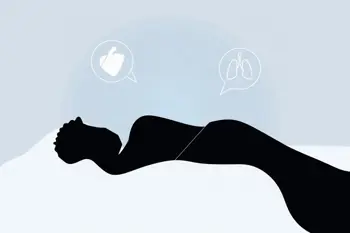
Untreated sleep apnea is closely linked to systemic health complications, particularly involving the cardiovascular system 5, 10. Because the body struggles to maintain oxygen levels during apneas, the heart and blood pressure regulation systems are placed under consistent stress 10. Research indicates a strong correlation between sleep apnea and high blood pressure, atrial fibrillation, stroke, and an increased risk of heart disease 3, 10. Physical markers that may increase an individual's susceptibility include a large neck circumference, specific jaw structure, enlarged tonsils, or a larger-than-average tongue that may fall backward and obstruct the airway during sleep 4, 6.
Clinical Diagnosis and Professional Consultation
Determining the presence of sleep apnea requires professional clinical evaluation, often involving a detailed review of medical history and physical examination 2, 7. Physicians look for anatomical narrowing in the airway and inquire about sleep habits, family history, and existing medications 2. The definitive diagnostic tool is a sleep study, which may be conducted in a laboratory setting or at home using equipment that monitors heart rate, oxygen saturation, and respiratory patterns 2, 7. Because many individuals are unaware of their breathing interruptions, consultation with a healthcare provider is recommended if a partner identifies signs of gasping, choking, or persistent loud snoring 3, 8.
| Symptom Category | Specific Warning Signs |
|---|---|
| Nocturnal | Loud snoring, breathing pauses, gasping, choking, nocturia |
| Daytime | Excessive sleepiness, morning headaches, dry mouth, difficulty concentrating |
| Behavioral | Irritability, mood swings, decreased libido, poor focus |
Sources
- Mayo Clinic: Sleep apnea symptoms and causes
- American Lung Association: Obstructive Sleep Apnea Symptoms and Diagnosis
- Mayo Clinic: Obstructive sleep apnea symptoms and causes
- Penn Medicine: Obstructive sleep apnea in adults
- American Medical Association: What doctors want patients to know about sleep apnea
- Harvard Health: Sleep Apnea A to Z
- Acibadem Hospitals Group: Sleep Apnea Symptoms, Health Risks and Treatment
- NHS Inform: Obstructive sleep apnoea (OSA)
- Cleveland Clinic: Sleep Apnea Without Snoring
- UT Physicians: Sleep apnea signs you should not ignore
Authored by MistyMountainView team