Understanding pain patterns and possible causes: A clinical perspective on symptom classification and assessment
Pain is a multifaceted sensory and emotional experience that serves as a critical indicator of tissue damage or nervous system dysfunction 8. In clinical practice, distinguishing between pain types-such as nociceptive, neuropathic, and nociplastic-is essential for accurate diagnosis and the selection of appropriate management strategies 4. As chronic pain now affects approximately one-quarter of the adult population in the United States, medical assessment has shifted toward a more granular evaluation of how symptoms manifest across different body systems 3.
Categorizing Pain Mechanisms
Clinicians typically categorize pain based on the underlying physiological mechanism. Nociceptive pain arises from ongoing peripheral nociceptor activation, often associated with inflammation or tissue injury 4. Patients commonly describe this as aching, throbbing, or sharp sensations localized to specific muscles, bones, or connective tissues 2. In contrast, neuropathic pain stems from a lesion or disease within the somatosensory system, leading to ectopic nerve firing 4. This type of pain is frequently characterized by burning, electric-shock-like sensations, tingling, or numbness 11.
The Role of Clinical History
Assessment begins with a detailed medical history that captures the patient’s subjective experience and functional impact 1. Practitioners analyze the onset and duration of the pain, differentiating between acute, subacute, and chronic presentations 1. The quality of the sensation is a primary diagnostic clue; for instance, sharp or stabbing pains are often associated with musculoskeletal conditions, while deep or vague pressure may indicate visceral involvement 2. Questions regarding triggers, mitigating factors, and associated neurological symptoms, such as weakness or sensory deficits, are critical for forming an accurate clinical picture 1.
Spatial Patterns and Co-occurrence
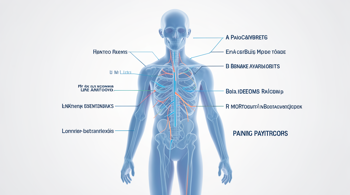
Recent research utilizing network analysis on large cohorts has highlighted how pain patterns often follow specific spatial distributions 9. For example, bilateral limb pain is common, with studies indicating that nearly one-third of individuals may experience symmetrical, mirrored sensations in contralateral regions 9. The strongest conditional dependencies in pain reporting are often observed between mirrored joints, such as the left and right hips, followed closely by adjacent ipsilateral regions 9. These patterns provide diagnostic insights, as nonmirrored contralateral pain is statistically less common and may signal systemic rather than localized mechanical issues 9.
Chronic Pain and Comorbidities
Chronic pain is defined by persistence beyond the typical healing period, generally lasting three to six months 3. This condition is frequently linked to psychiatric comorbidities, including depression and anxiety, which can significantly diminish a patient's health-related quality of life 3. Because traditional assessment tools like the Visual Analog Scale have inherent limitations, clinicians are increasingly encouraged to adopt multimodal management approaches 3. These frameworks emphasize early evaluation and the integration of pharmacological, non-pharmacological, and interventional therapies to address both the physical and psychological dimensions of pain 3.
Physiological Markers and AI
The field of pain management is evolving through the integration of artificial intelligence and neuroimaging to decode pain perception 5. Researchers are currently investigating physiological markers-such as autonomic nervous system responses-to provide more objective assessments compared to traditional self-reporting 8. Evidence suggests that central nervous system mechanisms, including maladaptive reorganization in pathways such as the dorsal horn and the anterior cingulate cortex, play a significant role in the chronification of pain in adults 6. These advanced insights are aimed at improving precision in management by moving beyond purely anatomical labels 4.
When to Seek Urgent Medical Evaluation
While many somatic pains are minor and transient, specific patterns necessitate immediate professional assessment 2. Red-flag symptoms that require urgent care include back pain associated with new leg weakness or loss of bladder and bowel control 11. Similarly, severe chest pain accompanied by shortness of breath, radiating pain to the jaw or arm, or diaphoresis requires emergency intervention 11. Abdominal pain that is persistent, follows trauma, or occurs with symptoms such as vomiting blood or persistent fever also warrants a prompt clinical review to exclude acute pathologies 11.
Sources
- Healio: Evaluation and Assessment in Pain Management
- Acibadem Hospitals Group: Somatic Pain and Care Guidelines
- NCBI Bookshelf: Chronic Pain (StatPearls)
- Quality in Sport: Mechanism-Oriented Assessment Systematic Review
- Frontiers in Pain Research: Decoding Chronic Pain via AI and Neuroimaging
- Frontiers in Pain Research: CNS Mechanisms Underlying Chronic Pain
- Merck Manual Professional Edition: Chronic and Recurrent Abdominal Pain
- npj Digital Medicine: Pain Assessment Using Physiological Markers
- Aarhus University: Spatial Patterns of Pain Co-occurrence Study
- National Institute of Neurological Disorders and Stroke: Peripheral Neuropathy Overview
- General Clinical Guidelines (Mayo Clinic, NHS, CDC, and NIDDK synthesis)
Authored by MistyMountainView team