Experience fjords on a seven-day cruise through Norway: An Analytical Overview of Regional Maritime Expeditions
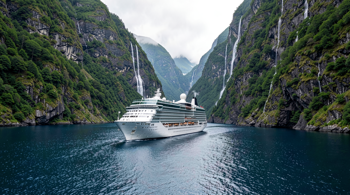
A seven-day cruise through the Norwegian fjords represents a significant segment of Northern European maritime travel, characterized by routes that leverage Norway's complex coastal topography. These voyages generally prioritize access to deep-water inlets, dramatic cliffside scenery, and historical port towns that served as centers for the medieval Hanseatic League and Viking-era commerce 1. Primary departure hubs for these excursions frequently include Bergen, Oslo, Southampton, and Amsterdam, with each port influencing the specific geographical reach of the seven-day itinerary 2, 3, 4.
Operational Itineraries and Primary Ports of Call
Voyages categorized as seven-day fjord explorations often utilize a blend of major metropolitan ports and smaller, specialized coastal communities. Bergen serves as a critical strategic gateway, allowing ships to enter the heart of the Hardangerfjord and Sognefjord regions rapidly 1, 9. Other common stops include Ålesund, renowned for its distinct Art Nouveau architecture, and Stavanger, which provides access to broader regional vistas 2, 4, 7. These itineraries are designed to balance time spent navigating narrow, scenic waterways with shore-based cultural immersion 5, 6.
| Port/Feature | Regional Significance |
|---|---|
| Bergen | Primary gateway for inner fjord access and historic trade center. |
| Geirangerfjord | UNESCO World Heritage site known for its dramatic vertical cliffs. |
| Ålesund | Art Nouveau cultural center and maritime hub. |
| Stavanger | Strategic coastal entry point for southern fjord excursions. |
| Flåm | Access point for the high-altitude mountain railway network. |
Seasonal Considerations and Weather Realities
The optimal window for navigating the Norwegian fjords typically spans from May through September, aligning with the longest daylight hours and the full operational status of seasonal shore excursions 1, 6. During these months, the maritime climate remains temperate, though the nature of the fjord environment necessitates preparation for unpredictable, localized weather patterns 6, 10. Travelers are generally advised to employ a layered approach to clothing to manage the transition between mild port conditions and colder temperatures encountered during glacier-proximate excursions 1.
Onboard Logistics and Excursion Infrastructure
Modern cruise vessels operating these routes provide a variety of specialized infrastructure to enhance the exploration of sensitive environments. Excursion portfolios frequently include RIB boat safaris for accessing smaller channels, guided glacier hiking, and scenic railway journeys, such as the line departing from Flåm 1, 3. Onboard, operators integrate educational programming concerning Scandinavian history and local ecology, reflecting the demand for immersive, knowledge-based travel experiences rather than purely recreational transit 5, 7.
Environmental Oversight and Regulatory Standards
The delicate ecosystem of the Norwegian fjords is subject to strict oversight by the Norwegian Maritime Authority, which regulates environmental standards for all vessels navigating these waters 7. Newer ships, including those operated by lines such as Havila, have introduced battery-powered capabilities to minimize the environmental impact of cruise traffic within protected fjord zones 8. These regulations ensure that maritime traffic remains sustainable, preserving the natural integrity of the UNESCO-listed sites that define the region's appeal 1, 7.
Market Diversity and Cruise Line Profiles
The market for seven-day fjord cruises is highly diverse, with offerings ranging from luxury yacht expeditions to large-scale cruise ship operations. Companies like Hurtigruten emphasize traditional coastal connections and small-port integration, while lines like Holland America and Viking focus on larger-scale, service-intensive voyages that cater to international travelers 2, 4, 5. The selection of a specific operator often depends on the traveler's preference for ship size, the density of the port schedule, and the inclusion of specific amenities or excursions within the base package 5, 6.
Strategic Planning for Prospective Travelers
Planning for a Norwegian fjord journey requires an assessment of both arrival logistics and the intended intensity of the cruise experience. Many itineraries depart from international hubs such as Southampton or Amsterdam, requiring pre-cruise travel to the departure point 3, 4, 6. Because many fjords are environmentally protected, port visits are carefully sequenced to prevent congestion. Prospective participants often review the specific vessel's technical capabilities, as smaller ships may offer access to more secluded channels that larger vessels cannot navigate 2, 8.
Sources
- UNESCO World Heritage Centre: https://whc.unesco.org/en/list/1195
- Hurtigruten: https://www.hurtigruten.com
- Visit Norway: https://www.visitnorway.com
- Holland America Line: https://www.hollandamerica.com
- Viking Cruises: https://www.vikingcruises.com
- Lonely Planet: https://www.lonelyplanet.com
- Norwegian Maritime Authority: https://www.sdir.no
- Havila Voyages: https://www.havilavoyages.com
- Visit Bergen: https://en.visitbergen.com
- The Norway Guide: https://www.thenorwayguide.com
Authored by MistyMountainView team