Caribbean coastal cruises through the British Virgin Islands in winter: An Analysis of Regional Maritime Travel Trends
The Strategic Importance of Winter Cruising in the British Virgin Islands
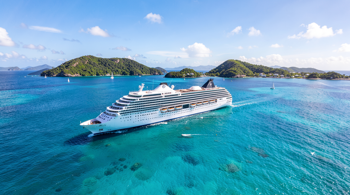
The winter months represent a peak period for maritime traffic in the Caribbean, particularly for vessels navigating the British Virgin Islands (BVI) 4. During this timeframe, the region experiences a dry season characterized by consistent temperatures ranging between 26 and 30 degrees Celsius, which attracts significant interest from international cruise operators 4. Maritime routes often leverage the protected nature of the Sir Francis Drake Channel, which offers more moderate sea conditions compared to open-ocean passages, making it a favorable environment for various vessel sizes, from large liners to private charters 2.
Operational strategies for cruise lines in this sector prioritize efficiency and destination immersion. Many itineraries originate from major regional hubs like San Juan, Puerto Rico, allowing for shorter sailing legs between islands 1, 7. By focusing on proximity-based routing, vessels can minimize transit time at sea, thereby increasing the hours available for guests to explore ports of call such as Tortola and Virgin Gorda 8. This approach reflects a shift toward destination-focused voyages that prioritize localized experiences over extensive open-water navigation 5, 9.
Itinerary Diversity and Regional Hubs
Cruise itineraries operating in the BVI often function within a broader Eastern Caribbean framework. Typical routes involve a multi-island approach, frequently pairing Tortola with stops in Sint Maarten, St. Lucia, Barbados, or Dominica 3, 8. The selection of these ports is often dictated by the size of the vessel and the ability of local marinas to accommodate specific maritime infrastructure 1. Small-ship operators, in particular, emphasize the ability to bypass traditional cruise terminals in favor of exclusive anchorages and secondary bays, providing guests with access to locations such as Jost Van Dyke 1.
For travelers planning a voyage, the choice of vessel type significantly shapes the experience. The market segments into large-scale commercial cruising and smaller, specialized yacht-style journeys 2, 6. While larger ships typically dock at Road Town, Tortola, to manage high passenger volumes, crewed yacht charters or luxury boutique sailings focus on agility, often moving between different anchorages within a single day to maximize exposure to diverse topography and coastal scenery 4, 6.
Climatic Stability and Nautical Conditions
The winter climate in the British Virgin Islands remains highly favorable for maritime operations. Sea temperatures consistently hover around 27 degrees Celsius, facilitating year-round engagement in aquatic activities such as snorkeling and swimming 4. However, regional meteorological data indicates that while the season is largely dry, wind and swells can fluctuate, occasionally impacting the accessibility of certain bays for smaller watercraft 4, 11. Experienced crews monitor marine forecasts closely to ensure guest safety and the comfort of the vessel during coastal transits 6.
Understanding the interplay between local weather and coastal geography is essential for itinerary management. The geography of the BVI, featuring more than 60 islands and islets, provides natural shelter, yet the specific wind patterns of the Caribbean require professional navigation 4. This makes the region both an accessible introduction for novice sailors and a reliable destination for professional cruise lines aiming to minimize cancellations or itinerary disruptions caused by adverse weather conditions 2.
Shore-Based Activities and Infrastructure
Shore excursions in the British Virgin Islands are heavily curated to highlight the unique geological and cultural features of the archipelago. The Baths at Virgin Gorda, characterized by massive granite boulders and secluded pools, remain a primary point of interest for both commercial cruise guests and private charter passengers 3, 6. Beyond geological formations, excursions often include historical tours of Road Town, visits to local spice markets, and snorkeling expeditions in protected marine environments 5, 8.
Logistical infrastructure supports these activities through standardized practices. The widespread use of the U.S. dollar simplifies transaction processing for visitors from the United States, reducing friction at local shops and during recreational activity bookings 5. Furthermore, the Mooring-ball culture in popular bays allows for organized vessel management, ensuring that both commercial and private maritime traffic can coexist within the busy winter season without compromising the local marine ecosystem 2.
Regulatory Oversight and Entry Requirements
Maritime travel to the British Virgin Islands is subject to strict entry and immigration regulations. Travelers must possess a valid passport, and international cruise passengers are encouraged to confirm documentation requirements directly with their respective cruise operators before departure 5. Government authorities maintain oversight of port operations to ensure compliance with international maritime safety standards, particularly as the territory manages a steady influx of vessels during the winter months 2.
Safety scores for specific itineraries are often used by industry analysts to evaluate the consistency of port experiences. Factors such as regional crime statistics, travel advisories, and the efficiency of local port authorities contribute to these assessments 7. Travelers interested in a comprehensive understanding of their destination's regulatory environment can consult official government resources, which provide guidance on entry rules and local maritime safety protocols 4.
Planning Considerations for the Winter Season
Planning a voyage during the winter months requires attention to the varying availability of specific itineraries. Because many cruise lines operate seasonal deployments, port schedules and route options change year-over-year based on demand and vessel positioning 7. Prospective travelers should review current cruise schedules rather than relying on historical data, as port calls can be subject to change depending on local maritime traffic and seasonal vessel rotations 6.
Ultimately, the British Virgin Islands serve as a balanced destination that offers both the luxury and convenience of organized cruise travel and the adventurous spirit of independent sailing. The combination of short passage times, line-of-sight navigation, and consistent winter weather contributes to the territory's standing as a prominent hub for Caribbean maritime tourism 2.
Sources
- Windstar Cruises: San Juan & the Virgin Islands Itinerary Information
- Vital Charters: Sailing the British Virgin Islands First-Timer Guide
- Global Journeys: Southern Caribbean Holiday Cruise Overview
- Sailsquare: Guide to the British Virgin Islands by Boat
- Crui.se: Southern Caribbean Cruise Itinerary Details
- Sailing Classics: Sailing Trip in the BVI Logistical Overview
- Gangwaze: Vision of the Seas Itinerary and Safety Data
- Global Journeys: Virgin Voyages Southern Caribbean Itinerary
- Riviera Boat: Bali 4.8 Catamaran Charter Specifications
- World of Cruising: Scarlet Lady Winter 2027-2028 Deployment News
- Weather Atlas: British Virgin Islands Climate Data
Authored by MistyMountainView team