Warning signs of thyroid disease: A comprehensive clinical overview of symptoms and metabolic indicators
The Physiological Role of the Thyroid Gland
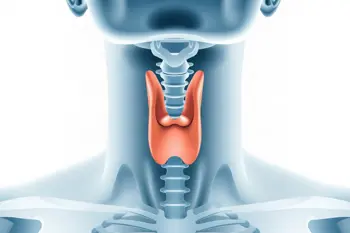
The thyroid is a butterfly-shaped gland located at the base of the neck, situated just below the Adam’s apple 1. Despite its small size, it serves as a primary regulator for metabolic processes throughout the human body 2. By producing hormones such as thyroxine (T4) and triiodothyronine (T3), the thyroid manages energy utilization, body temperature, heart rate, and digestive function 1. When this gland functions optimally, these systems maintain a consistent rhythm, supporting cognitive sharpness and emotional equilibrium 2.
Thyroid disease occurs when the gland produces an imbalance of these hormones, either dispatching too much or too little into the bloodstream 3. Approximately 20 million people in the United States currently live with some form of thyroid condition, yet up to 60 percent of these individuals remain unaware of their status 1. Because these hormones influence nearly every organ system, the resulting symptoms are frequently non-specific and may be erroneously attributed to aging, stress, or lifestyle factors 2.
Common Indicators of Hypothyroidism
Hypothyroidism, or an underactive thyroid, occurs when the gland fails to produce sufficient hormone levels to sustain normal body functions 4. This slow-down of metabolic activity often results in persistent fatigue, unexplained weight gain, and an increased sensitivity to cold temperatures 3. Over time, if the condition remains untreated, it can lead to elevated cholesterol levels and various cardiovascular concerns 9.
Other clinical manifestations of an underactive thyroid include skin and hair changes, such as dryness, brittleness, and hair thinning 3. Patients may also experience muscle weakness, stiffness, or aches, alongside cognitive indicators often described as brain fog or memory lapses 9. In women, hormonal insufficiency frequently disrupts the regularity of the menstrual cycle, potentially causing periods to become heavier or more irregular than normal 8.
Markers of Hyperthyroidism
Conversely, hyperthyroidism is characterized by an overactive gland that releases excessive amounts of hormone, effectively shifting the body's metabolism into overdrive 3. This systemic acceleration often manifests as rapid or irregular heartbeats, unexplained weight loss despite stable appetite, and physical tremors, particularly in the hands 3. Individuals in this state may also report feeling persistently anxious, irritable, or restless 4.
Heat intolerance and increased sweating are hallmark symptoms of an overactive thyroid, as the body struggles to regulate its elevated internal temperature 3. Additionally, the overstimulated metabolism can lead to sleep disturbances, such as insomnia, which further impacts quality of life 5. Because hyperthyroidism forces the heart and other organs to operate at an accelerated rate, professional medical assessment is required to manage the risk of complications such as irregular cardiac rhythms 7.
Demographics and Prevalence Factors
Thyroid conditions are not distributed equally across the population, with significant variance based on age and biological sex. According to data from the American Thyroid Association, women are five to eight times more likely than men to develop thyroid problems 3. This prevalence increases significantly as individuals age, particularly following the onset of menopause 7. A study focusing on women over the age of 40 found that nearly 47 percent exhibited some clinical degree of thyroid dysfunction 7.
Diagnostic challenges are particularly pronounced in older adults, who often demonstrate fewer of the classic symptoms associated with younger populations 6. When symptoms do emerge in those over 50, they frequently mimic standard age-related changes, leading to delayed diagnosis 6. Furthermore, thyroid issues can be hereditary, meaning a family history of autoimmune or endocrine disorders serves as a significant clinical marker for potential screening 4.
Diagnostic Processes and Clinical Testing
Because symptoms of thyroid disease frequently overlap with other common health conditions, clinicians rely on specific blood tests to determine thyroid functionality 5. The primary diagnostic tool is the measurement of Thyroid Stimulating Hormone (TSH) levels 8. A blood test can effectively determine whether a patient is suffering from an imbalance that requires intervention 5.
An elevated TSH level is generally interpreted as a clinical sign of an underactive thyroid, as the body attempts to compensate for low hormone production 8. Conversely, a very low TSH level typically indicates an overactive thyroid 8. Once a formal diagnosis is established, clinicians can determine appropriate treatment strategies, which vary depending on the underlying cause, such as Hashimoto's thyroiditis or other autoimmune processes 4.
Systemic Health Impacts and Monitoring
Beyond the core metabolic symptoms, thyroid disease can lead to secondary physical findings. Goiter, defined as the visible enlargement of the thyroid gland, can appear at the base of the neck as the gland attempts to compensate for hormonal dysfunction 3. In cases of Graves' disease, a common cause of hyperthyroidism, patients may experience specific ophthalmological symptoms, including persistent eye irritation or a physical bulging appearance of the eyes 7.
Early recognition of these warning signs allows for timely medical intervention, which is highly effective at managing and often reversing the associated symptoms 8. Given that many thyroid conditions are autoimmune in nature, ongoing management and regular monitoring of hormone levels are often required to maintain health stability 1. Patients experiencing persistent, unexplained shifts in their physical or mental state are encouraged to discuss these patterns with a primary care provider to determine if thyroid function testing is indicated 4.
Sources
- NewYork-Presbyterian, What Are the Signs and Symptoms of Thyroid Disease?
- The Well by Northwell, How to Know If You Have a Thyroid Problem
- Ochsner Health, What Are the Early Warning Signs of Thyroid Problems?
- UChicago Medicine AdventHealth, Thyroid Disease Warning Signs
- Banner Health, What Are Thyroid Problems and How Do You Know If You Have One?
- AARP, What Are the Warning Signs of a Thyroid Disorder?
- Prevention, 17 Signs of Thyroid Disease Doctors Want You to Know
- Office on Women's Health, Thyroid Disease
- Mayo Clinic, Hypothyroidism Symptoms and Causes
Authored by MistyMountainView team