Warning signs of gout: Clinical indicators and diagnostic markers
The Clinical Manifestation of Gout Flares
Gout is categorized as a prevalent form of inflammatory arthritis caused by the deposition of monosodium urate monohydrate crystals within joint tissues 4. This condition is fundamentally driven by hyperuricemia, a state characterized by elevated levels of uric acid in the bloodstream 7. When these levels remain persistently high, the body struggles to excrete the waste product, leading to the formation of needle-like crystals that lodge in joint spaces and soft tissues 1. The resulting inflammatory response is what produces the characteristic pain and physical limitations associated with a gout flare 9.
The onset of an acute gout attack is typically sudden, with many individuals reporting that symptoms manifest during the night 2. The pain is frequently described as severe, throbbing, or crushing, often reaching its maximum intensity within 12 to 24 hours of the initial onset 1. While the body may eventually resolve the flare on its own, the process involves significant localized inflammation as the crystals trigger the immune system 1. Understanding these patterns is a primary focus for clinicians aiming to improve diagnostic accuracy and reduce the long-term burden of the disease 4.
Common Anatomical Sites and Localized Symptoms
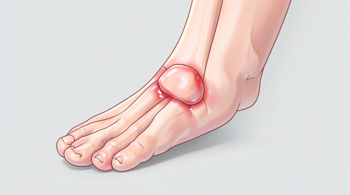
While gout can affect various joints, the big toe is the most frequent site of initial attacks, a phenomenon observed in approximately 90 percent of patients 9. Beyond the big toe, the inflammatory process often targets other joints, including the ankles, knees, wrists, elbows, and fingers 2. Regardless of the specific location, the physical markers of a flare are consistently characterized by localized swelling, redness, and a distinct sensation of warmth in the affected joint 7.
The sensitivity of the joint during an acute episode can be extreme, often referred to as podagra in the context of the big toe 10. Many patients report that even the light pressure of a bedsheet or clothing against the skin causes excruciating pain 2. This level of tenderness is a hallmark of the condition and is indicative of the intense pressure exerted by the crystalline deposits within the synovial fluid and surrounding tissues 2. Diagnostic monitoring often involves assessing these physical signs alongside biochemical tests to differentiate gout from other joint conditions 10.
Physiological Risk Factors and Biochemical Drivers
The accumulation of uric acid is the central driver of gout, and it typically occurs due to either excessive production of the chemical or the kidneys' inability to filter it effectively 2. Purines, which are natural chemicals found in the body and various dietary sources, are the primary precursors to uric acid 1. Consumption of foods rich in purines, such as red meats, certain seafoods, and high-fructose beverages, can exacerbate the condition in predisposed individuals 1. Alcohol consumption, particularly binge drinking, is also identified as a significant factor that interferes with renal excretion of uric acid 3.
Genetic predisposition also plays a role in how efficiently an individual's body breaks down purines and excretes uric acid 5. Furthermore, certain health conditions-including obesity, diabetes, kidney disease, and leukemia-are frequently associated with higher risks of developing the condition 2. Medical treatments can also influence uric acid levels; for example, patients prescribed diuretics like hydrochlorothiazide may experience higher concentrations of uric acid in the blood, necessitating clinical supervision to prevent potential gout flares 2.
Progression to Chronic Gout and Tophi Formation
While the first attack of gout is often singular, recurrent flares are common if the underlying hyperuricemia is not managed effectively 1. Over time, if left untreated, subsequent attacks may involve an increased number of joints and exhibit greater severity and duration 1. Chronic gout is defined by these repeated, prolonged episodes of inflammation and pain, which can eventually lead to permanent joint damage and reduced mobility for the patient 2.
A significant indicator of long-term, untreated gout is the development of tophi 1. These are visible, hard, and sometimes chalky-white lumps that form in the soft tissues or bones around joints as a result of prolonged uric acid crystal accumulation 5. Tophi are commonly observed near the ears, in the hands, or around the extensor tendons of the feet 5. The presence of these deposits indicates that the disease has progressed into a chronic stage, requiring comprehensive urate-lowering therapy to prevent further systemic accumulation 4.
Clinical Differentiation and Systemic Symptoms
Distinguishing gout from other forms of arthritis is a critical component of medical management. For instance, calcium pyrophosphate deposition (CPPD), previously known as pseudogout, involves different crystals that can mimic the appearance and pain of gout 1. Accurate diagnosis typically requires a combination of clinical examinations, blood tests, and occasionally imaging or the analysis of joint fluid to identify the specific type of crystals causing the inflammation 10.
In some instances, severe gout attacks may be accompanied by systemic symptoms, such as fever, chills, and general malaise 2. These symptoms can complicate the diagnosis, as they may lead clinicians to consider the possibility of a septic joint or other infectious processes 10. Because gout is a form of inflammatory arthritis, it is vital that patients reporting intense, sudden-onset joint pain with systemic symptoms receive prompt clinical evaluation to determine the appropriate course of intervention and to exclude infections 7.
Long-term Management and Protective Strategies
The objectives of clinical gout management are twofold: providing relief during an acute flare and implementing long-term strategies to maintain uric acid levels within safe parameters 7. Urate-lowering therapies, such as allopurinol, are frequently prescribed to help patients achieve these targets 6. Recent research into the cardiovascular outcomes for individuals with gout suggests that achieving specific uric acid targets, such as levels below 300 micromol/L, may offer secondary protective benefits against cardiovascular events like heart attacks and strokes 8.
Lifestyle modifications, including dietary adjustments and the management of comorbid conditions, are considered essential components of a patient's long-term care plan 7. Because genetics significantly influence how different bodies handle purine breakdown, the effectiveness of lifestyle changes can vary between individuals 5. Consequently, ongoing medical care and monitoring are recommended for those with recurrent flares to optimize treatment selection and reduce the overall disease burden 4.
Sources
- Arthritis Foundation: Gout Symptoms and Treatment (https://www.arthritis.org/diseases/gout)
- Penn Medicine: Understanding Gout and Risk Factors (https://www.pennmedicine.org/conditions/gout)
- Harvard Health: Gout A to Z (https://www.health.harvard.edu/bones-and-joints/gout-a-to-z)
- NCBI Bookshelf: StatPearls - Gout Management (https://www.ncbi.nlm.nih.gov/sites/books/NBK546606/)
- Arthritis Society Canada: Gout Information (https://arthritis.ca/about-arthritis/arthritis-types/gout/)
- Medical Xpress: Early Warning Signs of Gout (https://medicalxpress.com/news/2026-02-gout-early.html)
- Acibadem Hospitals Group: Gout Prevention and Symptoms (https://acibademinternational.com/health-library/gout-sudden-joint-pain-and-flare-prevention/)
- The Independent: Gout Research and Cardiovascular Health (https://www.the-independent.com/life-style/health-and-families/gout-people-sweden-italy-university-of-nottingham-b2907836.html)
- My Family Podiatry: Recognising Early Warning Signs (https://www.myfamilypodiatry.com.au/post/gout-flare-ups-early-warning-signs)
- Acibadem Hospitals Group: Clinical Symptoms and Diagnosis (https://acibademinternational.com/health-library/gout-symptoms-common-causes-related-conditions-and-when-to-see-a-doctor/)
Authored by MistyMountainView team