Warning signs of lung failure: A clinical guide to symptoms and emergency risks
What lung failure means
Lung failure, more precisely called respiratory failure, occurs when the respiratory system cannot maintain a safe balance of oxygen and carbon dioxide. Oxygen may fall to dangerously low levels, carbon dioxide may rise too high, or both problems may occur together. Because the brain, heart, kidneys, and other organs depend on stable gas exchange, respiratory failure is a potentially life-threatening medical condition rather than ordinary breathlessness after exertion. 1
Respiratory failure may be acute, developing over minutes, hours, or days, or chronic, resulting from an ongoing condition such as chronic obstructive pulmonary disease. A long-standing breathing disorder can also worsen suddenly, creating acute-on-chronic respiratory failure. The visible symptoms do not always show which gas-exchange problem is present, so clinical assessment and oxygen or blood-gas testing are needed. 4
Severe breathing symptoms
Severe shortness of breath is one of the most important warning signs. Affected people may feel unable to catch their breath, become breathless during routine activity, or experience difficulty breathing even while resting. Breathing may become very rapid, shallow, or visibly labored. Clinicians may observe use of accessory muscles in the neck or chest, a sign that the body is working unusually hard to move air. 2
Changes in breathing speed can occur in either direction. Rapid breathing may accompany inadequate oxygenation, while slow, shallow breathing can occur when carbon dioxide is accumulating or the drive to breathe is impaired. Severe asthma or COPD flare-ups, lung infection, fluid in the lungs, drug overdose, and respiratory muscle weakness are among the conditions associated with these patterns. 7
- Breathlessness that occurs at rest or prevents normal speech is especially concerning. 3
- Visible chest or neck strain, gasping, or a rapidly worsening breathing pattern warrants emergency evaluation. 2
Color and circulation changes
Blue or gray lips, face, skin, or fingertips can indicate inadequate oxygen in the blood. In some people, the mouth, area around the eyes, or skin beneath the nails may appear grayish or whitish instead. These color changes are not a reliable measure of severity in every person, but when they accompany breathing difficulty they represent an emergency warning sign. 1
Low oxygen can affect circulation and organ function, while severe respiratory strain may be accompanied by sweating and a rapid heartbeat. Swelling of the legs or ankles can appear in progressive lung dysfunction, although it may also reflect heart or other medical conditions. Finger-tip shape changes, sometimes described as clubbing, are associated with longer-term disease rather than a definitive diagnosis of sudden respiratory failure. 2
Brain and alertness warning signs
New confusion, difficulty concentrating, agitation, unusual sleepiness, or reduced alertness can signal that oxygen delivery to the brain is inadequate or that carbon dioxide has risen. These changes may be especially important when a person who normally communicates clearly becomes disoriented, difficult to wake, or unable to follow simple instructions. Severe cases can progress to loss of consciousness, respiratory arrest, and death without treatment. 2
Extreme fatigue and weakness may accompany either low oxygen or high carbon dioxide. A person may seem unusually tired after minimal activity, become unable to complete ordinary tasks, or appear drowsy rather than simply sleepy after poor rest. Confusion or a marked change in consciousness should not be attributed automatically to anxiety, exhaustion, or age, particularly when it occurs with shortness of breath or abnormal breathing. 6
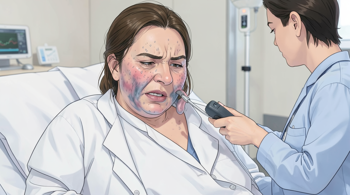
- Confusion, fainting, severe drowsiness, or loss of consciousness requires emergency medical assessment. 3
- A person with impaired alertness should not be left alone to monitor symptoms. 10
Possible causes and patterns
Respiratory failure can result from diseases that block the airways, damage lung tissue, weaken the muscles controlling breathing, or reduce the brain’s drive to breathe. Important causes include pneumonia, severe asthma, COPD exacerbation, pulmonary embolism, heart failure with pulmonary edema, serious infection, chest injury, neuromuscular disease, and effects of opioids or benzodiazepines. The same person can have more than one contributing problem. 1
Hypoxemic respiratory failure is primarily a failure to oxygenate blood and may occur when airspaces fill with fluid, blood, or inflammatory material, as in pneumonia, pulmonary edema, or acute respiratory distress syndrome. Hypercapnic, or ventilatory, failure occurs when breathing is insufficient to remove carbon dioxide. Severe COPD, medication overdose, and respiratory muscle weakness are recognized causes of this pattern. 7
When emergency care is appropriate
Emergency services should be contacted for severe breathing difficulty, blue or gray discoloration, chest pain with breathing problems, confusion, fainting, or a major change in alertness. A person struggling to breathe should generally not drive themselves, because respiratory status can deteriorate and impaired alertness can make driving unsafe. The underlying cause may require hospital monitoring, oxygen, medication, or assisted ventilation. 3
A fingertip pulse oximeter can provide a useful oxygen estimate, but a reading must be interpreted alongside symptoms and the person’s usual baseline. Home devices can be inaccurate in some circumstances, and a single number cannot determine whether carbon dioxide is elevated. Persistent or worsening breathing difficulty deserves professional assessment even when a home reading appears acceptable. 1
How clinicians confirm respiratory failure
Diagnosis begins with examination of breathing effort, mental status, skin color, heart rate, and overall clinical condition. Clinicians commonly use pulse oximetry to estimate oxygen saturation and blood testing to measure oxygen and carbon dioxide directly. Arterial or venous blood gases may help identify ventilatory failure, while chest radiography and other imaging can help reveal pneumonia, pulmonary edema, injury, or another cause. 2
Respiratory failure is a physiological problem, not a single disease, so testing also focuses on the trigger. Treatment may include supplemental oxygen, medication for the underlying condition, high-flow oxygen, noninvasive ventilation, or invasive mechanical ventilation when necessary. Definitive care frequently requires close hospital or intensive-care monitoring while the cause is corrected and breathing support is adjusted. 2
Sources
- MSD Manual Consumer Version, “Respiratory Failure.”
- MSD Manual Professional Edition, “Overview of Respiratory Failure.”
- Mayo Clinic, “Shortness of Breath: When to See a Doctor.”
- Acibadem Hospitals Group, “Respiratory Failure: Symptoms, Causes, and Care.”
- National Heart, Lung, and Blood Institute, “Respiratory Failure.”
- MedlinePlus, “Respiratory Failure.”
- Merck Manual Professional Edition, “Ventilatory Failure.”
- American Lung Association, “Respiratory Failure.”
- NHS, “Respiratory Failure.”
- Mount Sinai, “Respiratory Failure.”
Authored by MistyMountainView team