Early symptoms of Hypertension you should know: Clinical facts, warning signs, and screening guidance
Why hypertension is often called silent
The phrase “early symptoms of hypertension you should know” can be misleading because high blood pressure commonly develops without warning signs. A person may feel healthy while elevated pressure gradually affects the heart, brain, kidneys, eyes, and arteries. Harvard Health states that most people with hypertension have no symptoms, although very high blood pressure may cause a headache. 1
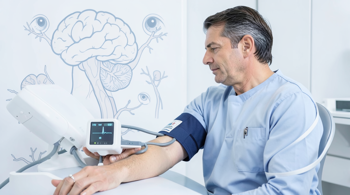
The only dependable way to identify hypertension is to measure blood pressure with a validated device or through a health professional. The American Heart Association and the Centers for Disease Control and Prevention both emphasize that symptoms cannot reliably confirm or exclude the condition. 3 4 A routine reading can therefore reveal a problem before organ damage becomes apparent.
Symptoms that may appear when pressure is very high
Some people with severely elevated blood pressure report symptoms such as a severe headache, dizziness, blurred or changed vision, chest discomfort, shortness of breath, weakness, numbness, confusion, or difficulty speaking. The National Heart, Lung, and Blood Institute lists severe headache, vision problems, chest pain, and breathing difficulty among possible symptoms of very high pressure. 5
These symptoms are not reliable early indicators of ordinary hypertension. Headache, fatigue, poor sleep, dizziness, or palpitations can have many possible causes, and occasional nosebleeds do not establish a diagnosis. The NHS notes that high blood pressure usually has no noticeable symptoms, while nosebleeds and shortness of breath are more associated with severe elevations or complications than with mild, early disease. 7 8
Blood pressure numbers and what they indicate
Blood pressure is recorded in millimeters of mercury using two numbers. Systolic pressure is the top number, measured as the heart beats, while diastolic pressure is the bottom number, measured between beats. Harvard Health categorizes readings for nonpregnant adults as normal below 120/80 mm Hg, elevated at 120/80 to 129/79, stage 1 hypertension at 130/80 to 139/89, and stage 2 hypertension at 140/90 or higher. 1
| Reading category | Measurement | Meaning |
|---|---|---|
| Normal | Below 120/80 mm Hg | Within the normal category |
| Elevated | 120/80 to 129/79 mm Hg | Higher than normal |
| Stage 1 | 130/80 to 139/89 mm Hg | Hypertension category |
| Stage 2 | 140/90 mm Hg or higher | Higher hypertension category |
A single elevated reading does not necessarily establish persistent hypertension. Stress, pain, caffeine, exercise, and measurement technique can temporarily affect a result, so repeated measurements and clinical interpretation are important. The U.S. Preventive Services Task Force recommends confirming an office-based screening result with measurements outside the clinical setting before treatment. 9
When a reading may represent an emergency
A reading of 180/120 mm Hg or higher falls within the hypertensive crisis range. The measurement should be repeated after a brief period of rest, but symptoms determine the urgency. Chest pain, shortness of breath, severe headache, vision changes, confusion, weakness, numbness, or difficulty speaking may signal acute injury involving the heart, brain, eyes, or other organs. 5 8
Emergency services should be contacted when a very high reading occurs with stroke-like symptoms, breathing difficulty, chest pain, or altered mental status. The American Heart Association distinguishes a severe reading without symptoms from a possible emergency with symptoms, but both situations require prompt medical guidance rather than relying on how the person feels. 3 A home monitor reading should not be used to delay emergency evaluation.
Why early detection matters even without symptoms
Persistently high pressure increases the force placed on artery walls and makes the heart work harder. Over time, untreated hypertension can damage blood vessels and organs, raising the risk of heart attack, heart failure, stroke, kidney disease, eye problems, dementia, and other complications. The World Health Organization identifies the heart, brain, kidneys, and other organs as potential targets of long-term damage. 6
Silence does not mean that hypertension is harmless. A person can have a reading such as 160/100 mm Hg without feeling ill, while ongoing pressure contributes to structural and vascular damage. Harvard Health similarly warns that hypertension can silently affect the brain, eyes, heart, kidneys, and arteries. 1 This is why symptom-based self-assessment is less dependable than periodic measurement.
Who may need closer monitoring
Hypertension can occur at any age, and risk may be higher with a family history of high blood pressure, diabetes, kidney disease, or other recognized risk factors. Mayo Clinic advises people with a family history, diabetes, or kidney disease to discuss whether more frequent monitoring, including home measurements, is appropriate. 2
Routine screening is intended to identify elevated pressure before complications appear. MedlinePlus states that regular blood pressure checks are needed because most people have no symptoms, while the FDA advises people to know their blood pressure numbers because hypertension can lead to serious health problems without obvious warning. 10 A clinician can interpret repeated results, review possible causes, and determine whether lifestyle measures, medication, or additional evaluation is appropriate.
How to interpret possible warning signs
Headache, dizziness, blurred vision, nosebleed, fatigue, shortness of breath, and an irregular heartbeat should not automatically be labeled as hypertension. These symptoms are nonspecific, and some may indicate another medical condition. However, new, severe, persistent, or rapidly worsening symptoms deserve medical assessment, particularly when accompanied by a markedly elevated blood pressure reading. 5 7
The central preventive message is straightforward: feeling well does not verify normal blood pressure. Measurement, repeated confirmation, and professional interpretation provide more useful information than trying to recognize an early sensation. Untreated hypertension can progress silently, whereas screening can identify elevated readings before damage becomes clinically evident. 4 6
Sources
- 1. Harvard Health, “High Blood Pressure (Hypertension) - Harvard Health”
- 2. Mayo Clinic News Network, “High blood pressure can happen at any age”
- 3. American Heart Association, “Understanding Blood Pressure”
- 4. Centers for Disease Control and Prevention, “About High Blood Pressure”
- 5. National Heart, Lung, and Blood Institute, “High Blood Pressure Symptoms”
- 6. World Health Organization, “Hypertension”
- 7. NHS, “High blood pressure (hypertension)”
- 8. Mayo Clinic, “High blood pressure symptoms and causes”
- 9. U.S. Preventive Services Task Force, “Hypertension in Adults: Screening”
- 10. U.S. Food and Drug Administration, “High Blood Pressure: Know Your Numbers”
Authored by MistyMountainView team