Warning signs of anemia: A clinical guide to symptoms, causes, and evaluation
Recognizing the warning signs of anemia
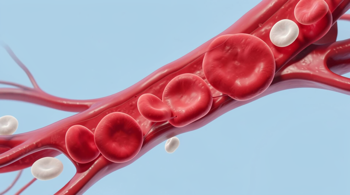
Warning signs of anemia may appear when the blood contains too few red blood cells or too little hemoglobin, the protein that carries oxygen from the lungs to body tissues. Unusual tiredness is common, along with weakness, headaches, dizziness, pale skin, shortness of breath, and reduced ability to exercise. Mild anemia can develop slowly and may cause few noticeable symptoms at first, so a person may attribute changes in energy or stamina to stress, sleep, or aging. 1
Symptoms vary according to the severity, speed of onset, and underlying cause. A gradual decline may produce fatigue mainly during activity, while more pronounced oxygen-delivery problems can affect the heart and brain. Possible findings include a fast or irregular heartbeat, cold hands and feet, chest discomfort, lightheadedness, or fainting. These symptoms are not specific to anemia, which means they should be interpreted with medical history and examination rather than treated as proof of a particular deficiency. 2
Common physical and daily-life changes
Fatigue associated with anemia can be more persistent than ordinary tiredness and may occur despite adequate rest. Weakness, difficulty sustaining physical activity, shortness of breath while exerting oneself, headaches, and dizziness are frequently reported patterns. Some people notice reduced concentration or lower productivity because the brain may receive less oxygen. Johns Hopkins Medicine lists pale skin, rapid heartbeat, dizziness, breathlessness, fatigue, and difficulty concentrating among possible symptoms. 3
Skin color changes can be harder to identify across different skin tones, and anemia may be present without obvious paleness. Other changes can include cold hands and feet, brittle nails, a sore tongue, or irritation at the corners of the mouth, particularly when iron deficiency is involved. Restless legs may also occur. Because these signs overlap with infections, sleep problems, heart conditions, and other disorders, persistent or unexplained symptoms warrant assessment rather than self-diagnosis. 4
Clues that may point to iron deficiency
Iron is required to produce hemoglobin, so depleted iron stores can eventually reduce the blood’s oxygen-carrying capacity. Iron-deficiency anemia commonly develops gradually as iron reserves are used up. Excessive bleeding is a major cause, including heavy menstrual bleeding and bleeding in the digestive tract. Low dietary intake, increased requirements during pregnancy or childhood, and reduced intestinal absorption, including conditions such as celiac disease, are other possible contributors. 5
A distinctive warning sign is pica, meaning cravings to eat substances that are not food. Ice, dirt, or clay are examples associated with iron deficiency, and some people report unusual cravings involving odors such as rubber, detergents, or cleaning agents. Hair loss, brittle nails, tongue soreness, and restless legs may also appear. Iron supplements should not be started solely on the basis of symptoms because excessive iron can accumulate and harm the liver and other organs. 6
Symptoms in children and during vitamin deficiency
Children may show anemia through irritability, reduced attention, poor concentration, or declining school performance rather than clearly describing fatigue or breathlessness. Reduced appetite can occur, especially in infants and children with iron deficiency. In young children, prolonged nutritional deficiency is a concern because anemia can accompany slower development. The World Health Organization estimates that anemia affects about 40% of children aged 6 to 59 months worldwide, although causes and prevalence differ by population. 7
Vitamin B12 or folate deficiency can produce tiredness, dizziness, shortness of breath, pale or yellow skin, weakness, and irregular heartbeats. B12 deficiency may additionally cause numbness or tingling in the hands and feet, unsteady movements, and changes in thinking or behavior. B12-related symptoms often begin gradually over months or years, whereas folate deficiency symptoms may begin within weeks. Identifying the nutrient involved matters because the treatment and potential complications are different. 8
When anemia symptoms require urgent evaluation
Chest pain, fainting, severe breathlessness, or a very rapid or irregular heartbeat can indicate severe anemia or another urgent medical problem. Sudden symptoms after an injury, surgery, childbirth, or visible bleeding require particular attention because rapid blood loss can reduce circulating red blood cells quickly. Black or bloody stools, repeated nosebleeds, unusually heavy menstrual bleeding, or other unexplained bleeding can signal a source that needs medical investigation. 9
Urgency also depends on a person’s medical context. Symptoms during pregnancy, ongoing fatigue with worsening exercise intolerance, or signs of active bleeding should be discussed promptly with a healthcare professional. The underlying problem may be iron deficiency, vitamin deficiency, chronic inflammation, kidney disease, inherited disease, medication effects, or destruction of red blood cells. Anemia is therefore a clinical finding, not a complete diagnosis, and correcting the blood count without locating the cause may leave the problem unresolved. 10
How clinicians confirm anemia
A complete blood count, commonly called a CBC, is a key initial test for identifying anemia and evaluating hemoglobin and red blood cell measurements. Clinicians also review symptoms, diet, menstrual or other bleeding, medications, medical conditions, and family history. Additional testing may assess iron stores, vitamin B12, folate, inflammation, or other potential causes. The pattern of laboratory results helps distinguish iron deficiency from vitamin deficiency, chronic disease, inherited disorders, or reduced blood-cell production. 11
The three broad mechanisms are blood loss, inadequate production of red blood cells, and excessive destruction of those cells. Possible sources include digestive-tract ulcers or tumors, heavy menstrual bleeding, chronic inflammation, cancer, bone-marrow disorders, autoimmune reactions, and inherited conditions. Iron deficiency in males and in people who no longer menstruate often prompts evaluation for digestive-tract bleeding. The appropriate investigation depends on age, symptoms, examination findings, and test results. 2
Interpreting symptoms without overdiagnosing
No single symptom confirms anemia. Fatigue may result from many conditions, while pale skin, dizziness, breathlessness, or palpitations can have cardiovascular, respiratory, neurologic, or metabolic explanations. Conversely, anemia can exist with minimal symptoms when it develops gradually. This combination of overlap and variable severity is why a blood test is more reliable than symptom matching alone. Medical evaluation is especially important when symptoms are new, persistent, progressive, or accompanied by bleeding. 1
Self-treatment can also obscure the cause. Iron may be appropriate for documented iron deficiency, but it is not suitable for every type of anemia and excessive intake can be harmful. Clinicians generally use the CBC and targeted tests to determine whether replacement of iron, vitamin B12, or folate is appropriate, or whether treatment must address blood loss, inflammation, an inherited disorder, or another disease. 6
Sources
- National Heart, Lung, and Blood Institute, “Anemia Symptoms,” https://www.nhlbi.nih.gov/health/anemia/symptoms
- Merck Manual Consumer Version, “Overview of Anemia,” https://www.merckmanuals.com/home/blood-disorders/anemia/overview-of-anemia
- Johns Hopkins Medicine, “Anemia,” https://www.hopkinsmedicine.org/health/conditions-and-diseases/anemia
- National Health Service, “Iron-deficiency Anemia: Symptoms,” https://www.nhs.uk/conditions/iron-deficiency-anaemia/symptoms/
- Merck Manual Consumer Version, “Iron Deficiency Anemia,” https://www.merckmanuals.com/home/blood-disorders/anemia/iron-deficiency-anemia
- Mayo Clinic, “Iron Deficiency Anemia: Symptoms and Causes,” https://www.mayoclinic.org/diseases-conditions/iron-deficiency-anemia/symptoms-causes/syc-20355034
- World Health Organization, “Anaemia,” https://www.who.int/news-room/fact-sheets/detail/anaemia
- Mayo Clinic, “Vitamin Deficiency Anemia: Symptoms and Causes,” https://www.mayoclinic.org/diseases-conditions/vitamin-deficiency-anemia/symptoms-causes/syc-20355025
- MedlinePlus, “Anemia,” https://medlineplus.gov/anemia.html
- American Society of Hematology, “Anemia,” https://www.hematology.org/education/patients/anemia
- American Academy of Family Physicians, “Anemia in Older Adults,” https://www.aafp.org/pubs/afp/issues/2013/0115/p98.html
Authored by MistyMountainView team