Mountain Hiking as Ultimate Therapy for Your Mind
Why Mountain Hiking Is the Ultimate Therapy for Your Mind
In today's fast-paced world, the demands of work and daily life often leave us feeling overwhelmed. The constant influx of information and the pressure to keep up can take a toll on mental health. However, an increasing number of people are discovering a powerful remedy that’s both accessible and transformative: mountain hiking. This uplifting activity not only brings physical health benefits but is also proving to be an incredible therapy for the mind.
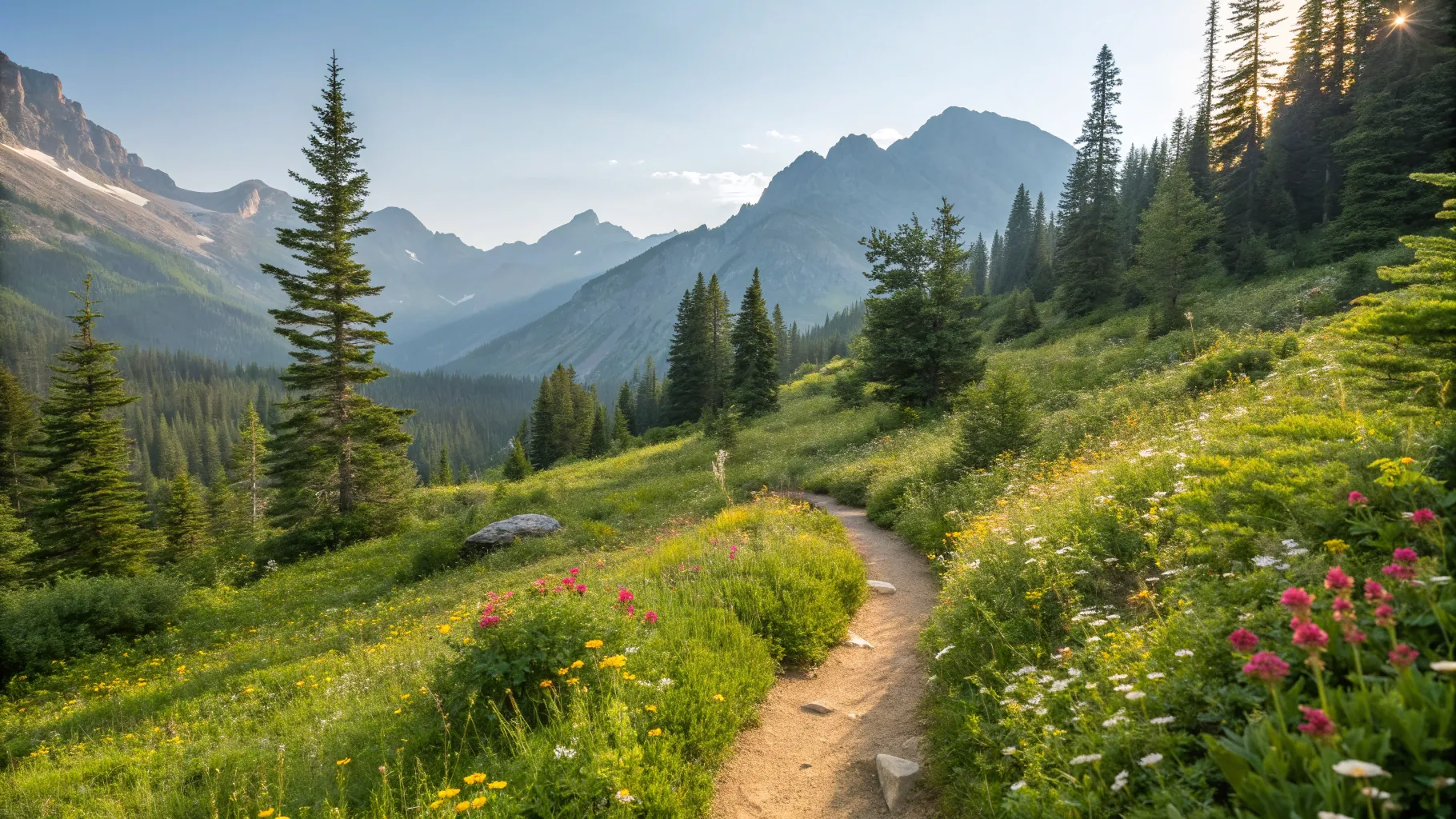
The Psychological Benefits of Mountain Hiking
Numerous studies highlight the positive effects of nature on mental health. According to recent research conducted in 2024, people who engage in outdoor activities, particularly mountain hiking, report a significant decrease in stress levels. This can be attributed to the combination of physical exercise and the calming effect of nature. Spending time in the mountains offers a unique escape from the routine headaches of everyday life.
In fact, a study from university researchers published in early 2025 revealed that individuals who hiked for just 30 minutes in a natural setting showed a 20% decrease in anxiety and a 30% increase in mood improvement compared to those who did not engage with nature. The chirping of birds, the rustling leaves, and the breathtaking views serve as a natural Reset Button for our minds.
Physical Activity Meets Mental Clarity
Undoubtedly, physical exercise is beneficial for mental health. When hiking, the combination of aerobic activity and the enduring rhythms of nature creates an enriched environment. Hiking increases the production of endorphins—commonly known as the "feel-good" hormones—which can alleviate feelings of anxiety and depression. Moreover, studies indicate that engaging in moderate physical activities such as hiking can boost cognitive function, leading to improved focus and clarity.
For many people, the challenge of navigating varied terrains helps to redirect focus from internal worries to external experiences. This shift plays a crucial role in overcoming negative thought patterns. Have you ever found yourself lost in the beauty of a mountain vista? This momentary distraction can create the mental space necessary for reflecting on personal challenges in a healthier, detached manner.
The Connection Between Nature and Mindfulness
Mindfulness is a noteworthy concept entwined with the experience of mountain hiking. Engaging actively in the present moment can shift our perspective and bring a sense of peace. The vibrant colors of wildflowers, the sound of streams trickling over rocks, and the smell of fresh pine can stimulate a variety of senses and root us deeply in the moment.
- Studies reveal that incorporating mindfulness while hiking enhances positive mood indicators by nearly 25%.
- Practicing mindful breathing as you ascend a trail can further increase feelings of well-being.
One such example comes from Anna, a 32-year-old marketing professional who recently took up hiking to manage her feelings of anxiety. She shared that during her hikes, she consciously practices mindfulness by focusing on her breathing and the sensations of her surroundings. "It has truly transformed my outlook on stress and anxiety," she explained. "When I'm on the trail, everything else fades away. I find clarity and peace I never had before." This personal testimony echoes a common sentiment shared by many hiking enthusiasts.
The Social Aspect of Hiking
There’s another layer of therapy that mountain hiking provides, which is often overlooked: the social aspect. Sharing these experiences with friends or family can enhance the benefits exponentially. Research indicates that engaging in outdoor activities with others boosts overall happiness. It fosters a sense of community and connection, sure to improve mental wellness.
Recent hiking clubs that have emerged in response to the growing demand for mental health support have reported an influx of participants eager to bond over a shared love for the outdoors. These groups not only provide companionship but also serve as a support network, allowing individuals to share their experiences and challenges in a non-threatening environment.
Exploration and Adventure: A Path to Recovery
The beauty of mountain hiking lies in the exploration and adventure it promises. Each trail offers unique landscapes, breath-taking views, and a sense of achievement upon reaching a summit. This sense of discovery is revitalizing, particularly for those struggling with daily monotony.
With the rise of adventure therapy programs promoting outdoor activities, it’s no wonder that mountain hiking has become a go-to for many mental health professionals. Outdoor adventures encourage participants to push their limits and confront both physical and psychological obstacles.
Incorporating Hiking into Your Life
Whether you’re a seasoned hiker or a novice looking for a new experience, integrating mountain hiking into your routine can be a straightforward yet impactful change. Start small by exploring local trails or joining group hikes. Don't forget to disconnect from technology and immerse yourself in the natural surroundings.
- Research nearby hiking trails and plan a weekly excursion.
- Consider pairing hiking with yoga or meditation to enhance mindfulness.
- Engage friends or family members to create supportive hiking groups.
As the trend of prioritizing mental health continues into 2025, adapting to nature’s healing therapy through hiking might just be one of the best moves you can make. Embrace the trails, unleash your thoughts, and let the mountains remind you just how liberating the great outdoors can be.
Authored by MistyMountainView team