Monthly costs for assisted living facilities: A Comprehensive Analysis of 2026 National Trends and Financial Factors
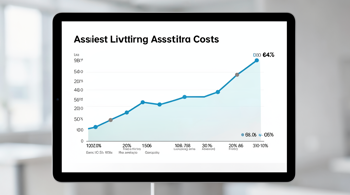
When evaluating residential care options, families frequently encounter significant variations in monthly costs for assisted living facilities. As of 2026, the national median cost for this level of care is approximately $5,200 to $6,200 per month, though figures fluctuate based on geography, service intensity, and community amenities 147. Understanding these expenditures is a critical step in long-term care planning, as costs have continued to rise at an annual rate of 5% to 8% due to increasing healthcare labor expenses and operational demands 18.
Defining the Baseline: What Monthly Fees Cover
Most assisted living facilities utilize a bundled pricing model that includes a base monthly rate covering housing and essential services. This baseline typically encompasses a private or semi-private apartment, three communal meals daily, routine housekeeping, laundry services, transportation to medical appointments, and 24-hour staff presence 138. Residents also receive support with basic activities of daily living, such as bathing, dressing, and medication management, which are factored into the base rent structure of most communities 110.
Identifying Variable Costs and Add-On Fees
The advertised base rate is rarely the final monthly invoice. Families should anticipate additional costs for personal care that exceed the initial assessment, as well as specialized services such as prescription medication management, physical or occupational therapy, and premium amenities like private dining 17. These add-on services can increase the monthly total by $500 to $1,500 beyond the standard base rent 111. Furthermore, move-in fees, which serve as one-time reservation deposits, frequently range between $1,000 and $5,000 upon initial entry 7.
Regional Disparities and Economic Drivers
Geographic location is the primary driver of cost variation in the assisted living market. State-level data indicates that residents in lower-cost regions like Mississippi might pay approximately $3,200 per month, while those in high-cost states such as Alaska or New Jersey can face monthly fees exceeding $8,000 to $9,000 115. Factors such as local labor market wages, real estate values, and the prevalence of luxury-tier facilities significantly influence these regional price gaps 19.
| Region/Category | Estimated Median Monthly Cost |
|---|---|
| National Median | $5,200 - $6,200 |
| Rural/Affordable Markets | $3,200 - $4,500 |
| High-Cost Urban Markets | $7,500 - $9,000+ |
| Memory Care Premium | 20% - 40% above standard rate |
Specialized Care Requirements and Memory Care
For residents requiring specialized dementia or Alzheimer's care, the costs are notably higher due to increased staffing ratios, specialized safety infrastructure, and intensive training requirements for caregivers 511. Memory care units within an assisted living facility typically command a premium of 20% to 40% over standard assisted living rates 511. National median figures for memory-specific residential care often range from $6,500 to $8,000 per month depending on the severity of the condition and the specific location 511.
Navigating Payment Sources and Regulatory Realities
A frequent point of confusion for families is the role of government insurance in funding long-term care. Medicare does not provide coverage for the ongoing room and board costs associated with assisted living facilities, a misconception that can lead to significant financial strain if not addressed early 211. While Medicaid may cover expenses in some states through specific home and community-based services waiver programs, eligibility is strictly governed by financial requirements, including a five-year look-back window on asset transfers 211. Most residents must rely on private funds, long-term care insurance, or the liquidation of assets to sustain their residency 211.
Contractual Considerations and Financial Transparency
Before entering into any agreement, it is vital to review the contract for rate increase provisions, discharge clauses, and policies regarding mandatory arbitration 2. Industry standards suggest that these terms are often negotiable during the initial sign-up phase but become fixed once residency begins 2. Families are encouraged to request a full fee schedule from facility administrators to understand how care tiers are defined and how future care needs will affect the monthly budget as the resident's health status changes 17.
Sources
- CarePriced, "How Much Does Assisted Living Cost in 2026?"
- Medicarepriceguide, "Assisted Living Costs 2026: Full Guide"
- AssistedLivingNearMom, "How Much Does Assisted Living Cost: A Complete 2026 Pricing Guide"
- Brevy Care, "Cost of Senior Care by State (2026)"
- AllyKin, "2026 Senior Care Cost Report"
- CareScout, "Cost of Long Term Care by State"
- SeniorsList, "Assisted Living Costs 2026: What You'll Pay"
- Budget Seniors, "Assisted Living Cost Per Month (2026)"
- ABC17News, "How much does assisted living cost? A state-by-state guide"
- Senior Living Facilities, "Senior Living Costs: Complete 2026 Guide"
- ZipDo, "Assisted Living Statistics | 2026 Edition"
- InsideNova, "2026 report: Costs of long-term care and senior living"
- Kurlon, "Retirement Community Monthly Cost Guide 2026"
- A Place for Mom, "The Cost of Residential Care Homes: A State-By-State Guide"
- SeniorCareCostGuide, "New Jersey Assisted Living (2026): Real Cost Data"
Authored by MistyMountainView team